

Read the unit
See the source, geographic scope, observation dates and the shape of the baseline before interpreting a signal.
Follow a structured path from an interesting chart to an honest decision. These field notes are designed for researchers, founders and builders who want evidence—not another growth promise.
Browse the guidesSix practical guides · exercises you can save
Different topics require different evidence. The sequence stays practical, not prescriptive.
See the source, geographic scope, observation dates and the shape of the baseline before interpreting a signal.
Look for a release, headline, changed data source or shared event that could explain movement without new adoption.
Identify a particular workflow, observed pain and the person responsible for a decision rather than guessing at customers.
Specify a small experiment, cost ceiling and evidence that would make the hypothesis less plausible.
Each guide is a complete editorial walkthrough with an actionable checklist.
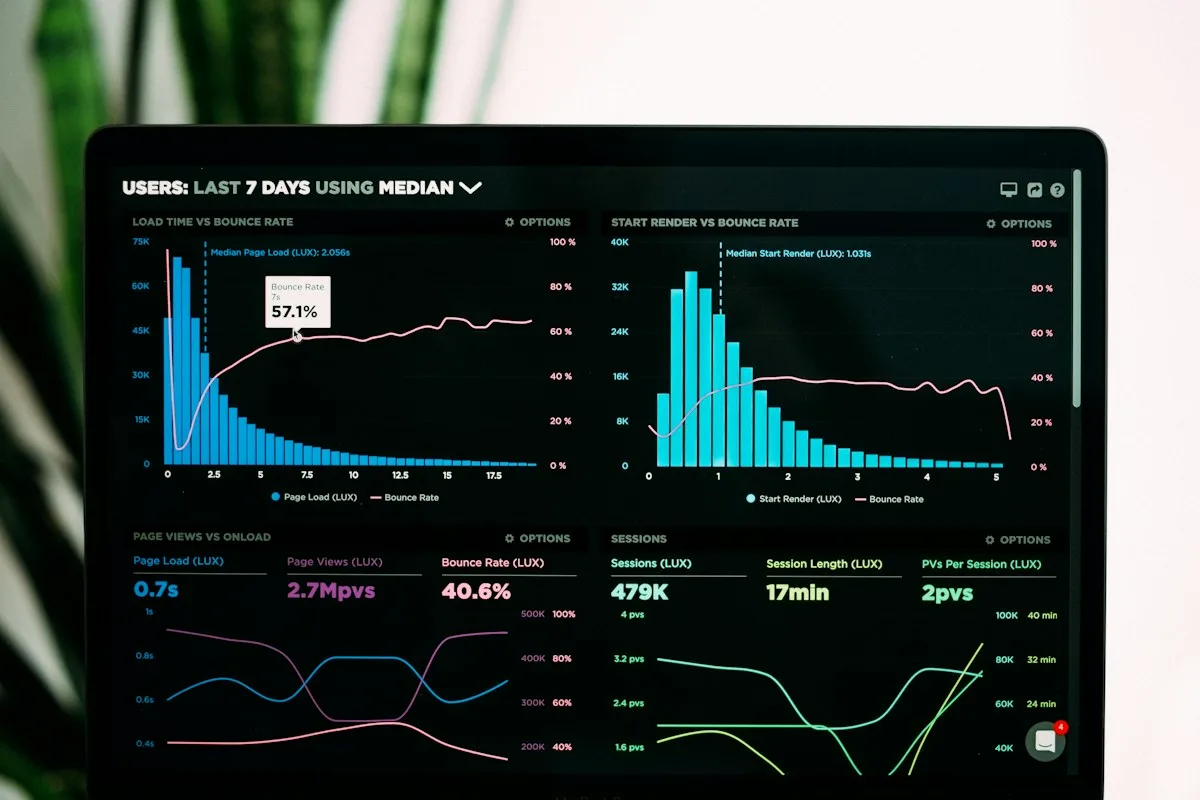
Check source, baseline, scope and persistence before acting on a rising topic.
Read this guide
Turn a trend into a specific buyer, a repeated problem and an inexpensive experiment.
Read this guide
Understand normalization and independent corroboration before combining evidence.
Read this guideInterview for concrete urgency: a recent incident, a costly workaround and a person who can approve change.
Read this guideFind delayed observations, changing source definitions and misleading comparisons before acting on a trend.
Read this guideA practical framework for a bounded test with an observable result, realistic costs and a stop rule.
Read this guideOriginal source links, dates and units matter. Forecasts are separate from history. A hypothesis becomes stronger through independent field evidence, not visual polish.
Read our measurement rules