

TREND RESEARCH From published sources / US · UK · Canada · Australia
RESEARCH TERRITORY / MODEL + WORKFLOW
When a demo becomes a dependable workflow.
AI attention is abundant; repeatable results are scarce. Investigate the task, the reviewer and the actual cost of a useful result before inferring demand from mentions.
See the original sources No made-up rankings

THE RESEARCH LENSReliability before reachAI / FIELD NOTES
WHAT MATTERS
Questions that matter in this market.
Use these as a research framework, not a claim that a measured trend proves demand.
Who signs off on errors and exceptions?
How much human review does the workflow still need?
A PRACTICAL FIELD PLAN
Turn uncertainty into a small, useful experiment.
Compare a manual workflow with an AI-assisted version using the same inputs. Record completion time, review time, errors and willingness to pay.
Interpretation limit. A viral benchmark or product launch is not evidence of repeat paid use.
Map a real workflow
Document inputs, human checks, handoffs and the business outcome without assuming automation succeeds.
Test the hard cases
Use representative edge cases; measure failure recovery as carefully as first-pass quality.
Price the completed outcome
Include inference costs, support, data handling and required review before estimating a margin.
SOURCE STRATEGY
Search can reveal attention, GitHub shows developer interest, and independent field trials are needed for production claims.
Read source definitionsTHE RESEARCH ANGLE
Evaluate the workflow, not the demo.
AI interest can come from experimentation, developer adoption or a recurring business problem. Separate these signals before judging a niche. A rise in searches for an agent framework may describe builders testing tools. Adoption by paying teams requires evidence of reliable output, acceptable latency and a clear owner for failures.
A practical first experiment
Compare a manual workflow with an AI-assisted version using the same inputs. Record completion time, review time, errors and willingness to pay.
- What task repeats often enough to justify a subscription?
- Who checks the result when a model is wrong?

AI trends
Measured momentum. Useful context. A place to start.

AIRegular Growth
GitHub repository activity: explore dated activity for Hugging Face. Useful for asking better questions, not predicting sales.
+30%growth · available history
6M steadyChange within this source (0–100)17/100
Useful forProduct teamsRead the research

AIRegular Growth
GitHub repository activity: explore dated activity for LangChain. Useful for asking better questions, not predicting sales.
+161%growth · available history
6M downwardChange within this source (0–100)7/100
Useful forProduct teamsRead the research

AIRegular Growth
Wikipedia article views: explore dated activity for Artificial intelligence. Useful for asking better questions, not predicting sales.
+21%growth · available history
6M downwardChange within this source (0–100)3/100
Useful forProduct teamsRead the research

AIStable
Wikipedia article views: explore dated activity for OpenAI. Useful for asking better questions, not predicting sales.
-19%growth · available history
6M downwardChange within this source (0–100)2/100
Useful forProduct teamsRead the research

AIStable
Wikipedia article views: explore dated activity for Artificial general intelligence. Useful for asking better questions, not predicting sales.
-34%growth · available history
6M downwardChange within this source (0–100)0/100
Useful forProduct teamsRead the research

AIPeaked
Wikipedia article views: explore dated activity for ChatGPT. Useful for asking better questions, not predicting sales.
-67%growth · available history
6M downwardChange within this source (0–100)0/100
Useful forProduct teamsRead the research

AIStable
Wikipedia article views: explore dated activity for Machine learning. Useful for asking better questions, not predicting sales.
-36%growth · available history
6M upwardChange within this source (0–100)0/100
Useful forProduct teamsRead the research
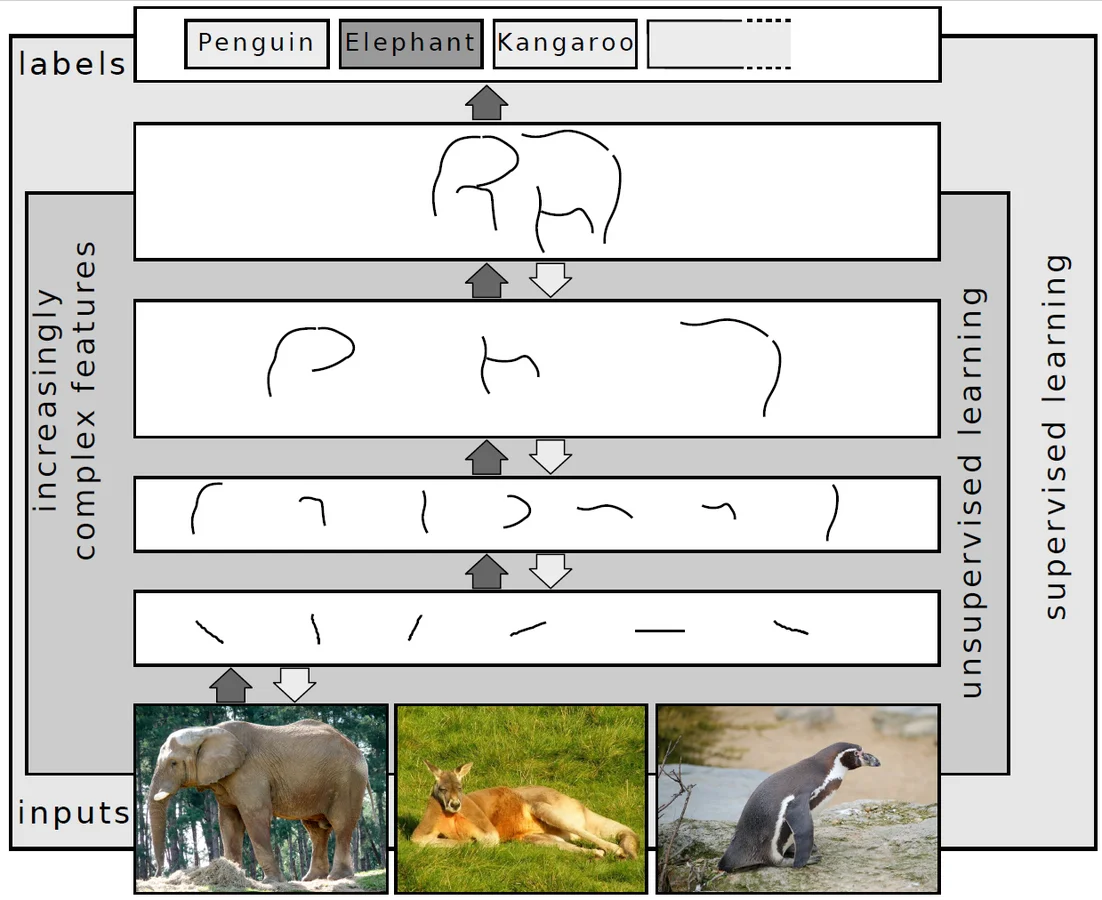
AIStable
Wikipedia article views: explore dated activity for Deep learning. Useful for asking better questions, not predicting sales.
-49%growth · available history
6M downwardChange within this source (0–100)0/100
Useful forProduct teamsRead the research
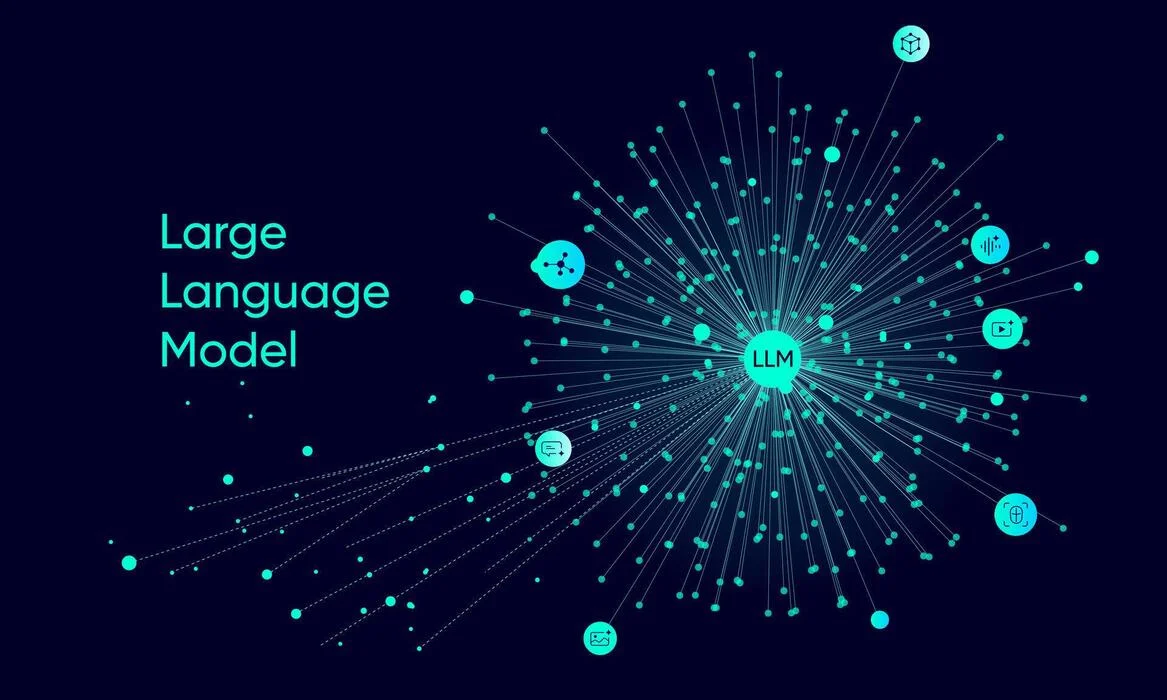
AIStable
Wikipedia article views: explore dated activity for Large language model. Useful for asking better questions, not predicting sales.
-16%growth · available history
6M downwardChange within this source (0–100)0/100
Useful forProduct teamsRead the research

AIPeaked
Wikipedia article views: explore dated activity for Natural language processing. Useful for asking better questions, not predicting sales.
-80%growth · available history
6M downwardChange within this source (0–100)0/100
Useful forProduct teamsRead the research

AIStable
Wikipedia article views: explore dated activity for Computer vision. Useful for asking better questions, not predicting sales.
-36%growth · available history
6M downwardChange within this source (0–100)0/100
Useful forProduct teamsRead the research

AIStable
Wikipedia article views: explore dated activity for Robotics. Useful for asking better questions, not predicting sales.
-43%growth · available history
6M downwardChange within this source (0–100)0/100
Useful forProduct teamsRead the research
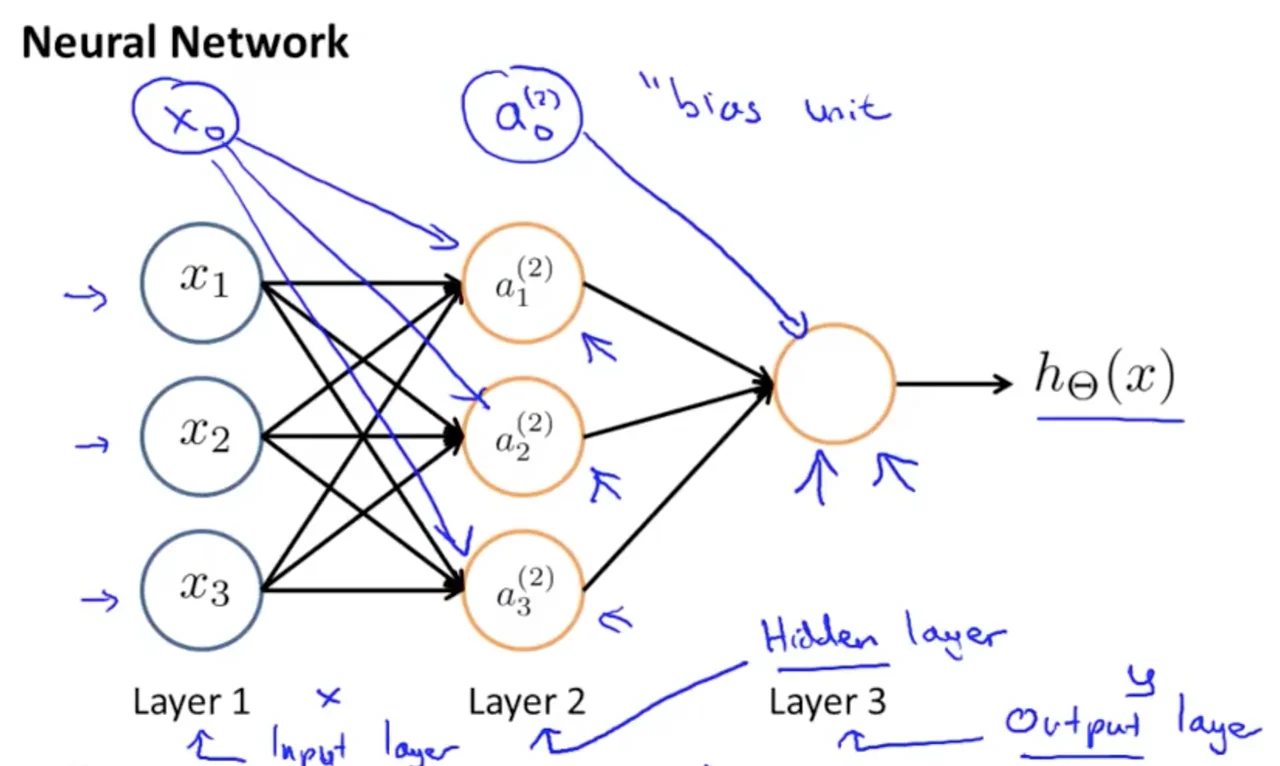
AIStable
Wikipedia article views: explore dated activity for Neural network (machine learning). Useful for asking better questions, not predicting sales.
-43%growth · available history
6M downwardChange within this source (0–100)0/100
Useful forProduct teamsRead the research
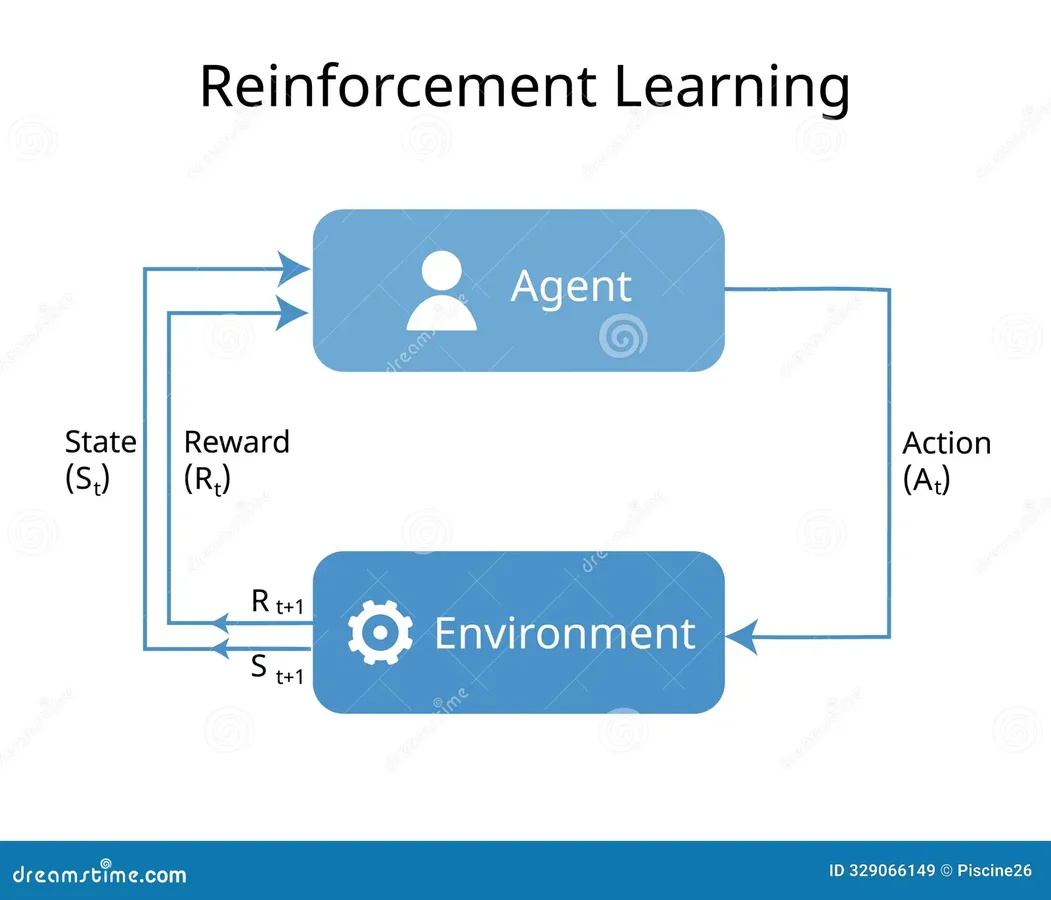
AIStable
Wikipedia article views: explore dated activity for Reinforcement learning. Useful for asking better questions, not predicting sales.
-45%growth · available history
6M downwardChange within this source (0–100)0/100
Useful forProduct teamsRead the research
AIStable
Wikipedia article views: explore dated activity for Gemini (chatbot). Useful for asking better questions, not predicting sales.
-61%growth · available history
6M downwardChange within this source (0–100)0/100
Useful forProduct teamsRead the research

AIPeaked
GitHub repository activity: explore dated activity for Ollama. Useful for asking better questions, not predicting sales.
+24%growth · available history
6M upwardChange within this source (0–100)0/100
Useful forProduct teamsRead the research
| # | Trend / category | Sources | Momentum | Growth | 6M outlook | History | Compare |
|---|---|---|---|---|---|---|---|
| 1 | Hugging FaceAI · Global | Regular Growth | +30% | Steady | |||
| 2 | LangChainAI · Global | Regular Growth | +161% | Downward | |||
| 3 | Artificial intelligenceAI · Global | Regular Growth | +21% | Downward | |||
| 4 | OpenAIAI · Global | Stable | -19% | Downward | |||
| 5 | Artificial general intelligenceAI · Global | Stable | -34% | Downward | |||
| 6 | ChatGPTAI · Global | Peaked | -67% | Downward | |||
| 7 | Machine learningAI · Global | Stable | -36% | Upward | |||
| 8 | Deep learningAI · Global | Stable | -49% | Downward | |||
| 9 | Large language modelAI · Global | Stable | -16% | Downward | |||
| 10 | Natural language processingAI · Global | Peaked | -80% | Downward | |||
| 11 | Computer visionAI · Global | Stable | -36% | Downward | |||
| 12 | RoboticsAI · Global | Stable | -43% | Downward | |||
| 13 | Neural network (machine learning)AI · Global | Stable | -43% | Downward | |||
| 14 | Reinforcement learningAI · Global | Stable | -45% | Downward | |||
| 15 | Gemini (chatbot)AI · Global | Stable | -61% | Downward | |||
| 16 | OllamaAI · Global | Peaked | +24% | Upward |
LOOK BEYOND THE GROWTH BADGEA signal is the beginning.
A signal is the beginning.
Context makes it useful.
Search interest, pageviews and community activity measure different things. We keep the sources separate, show the available history, and distinguish projections from observations.
Read our methodologyFIELD NOTE / AI
What the index cannot establish.
AI interest can come from experimentation, developer adoption or a recurring business problem. Separate these signals before judging a niche. A rise in searches for an agent framework may describe builders testing tools. Adoption by paying teams requires evidence of reliable output, acceptable latency and a clear owner for failures.
Questions to take into a real interview
- What task repeats often enough to justify a subscription?
- Who checks the result when a model is wrong?
GET SMARTER WITH EVERY STEP
All research guidesField notes for curious minds.
Practical guides to help turn what you observe into a decision.
 RESEARCH PLAYBOOK
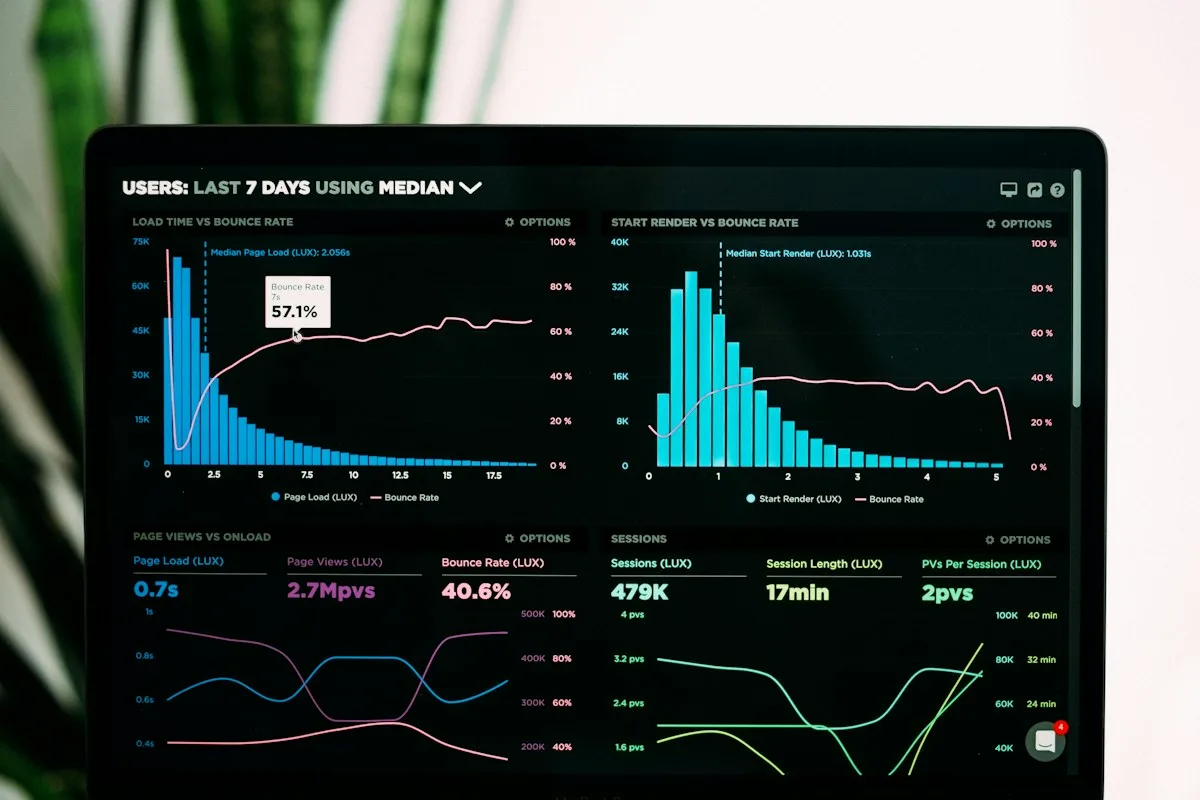
How to read a trend chart without mistaking attention for demand
Check source, baseline, scope and persistence before acting on a rising topic.
Read this guide- RESEARCH PLAYBOOK
Validate a niche before you build the product
Turn a trend into a specific buyer, a repeated problem and an inexpensive experiment.
Read this guide  RESEARCH PLAYBOOK
Compare search, Wikipedia, GitHub and Reddit fairly
Understand normalization and independent corroboration before combining evidence.
Read this guide- RESEARCH PLAYBOOK
Find a buyer with a problem that cannot wait
Interview for concrete urgency: a recent incident, a costly workaround and a person who can approve change.
Read this guide - RESEARCH PLAYBOOK
Audit a source before trusting its latest chart
Find delayed observations, changing source definitions and misleading comparisons before acting on a trend.
Read this guide - RESEARCH PLAYBOOK
Design the smallest credible market experiment
A practical framework for a bounded test with an observable result, realistic costs and a stop rule.
Read this guide