

Move fast on evidence.
Not on noise.
Breakout signals call attention to an unusual change in the available source history. They are a reason to investigate, not a prediction of customers, revenue or price.
Is the rise persistent? Does the source's earlier baseline support the comparison? Has the scope changed?
A rise can be caused by one-off news, changed coverage or a very small baseline.
Market and source units must match before a ranking is interpreted.
Compare the most recent interval with the previous local high and available history.
Use a signal to frame research—not as proof that customers will pay.
Breakout watch
Measured momentum. Useful context. A place to start.
No trends match these filters.
Try another source or market, or reset the filters to explore the full index.
Reset filters| # | Trend / category | Sources | Momentum | Growth | 6M outlook | History | Compare |
|---|---|---|---|---|---|---|---|
| No trends match these filters. | |||||||
A signal is the beginning.
Context makes it useful.
Search interest, pageviews and community activity measure different things. We keep the sources separate, show the available history, and distinguish projections from observations.
Read our methodologyWhat would change your mind?
An acceleration badge is not enough. Check the observation period, original data source and a second plausible explanation before committing resources.
When there are no qualifying breakouts
We keep this list empty rather than manufacture urgency. The research playbook remains available while new source observations arrive.
Audit source freshnessField notes for curious minds.
Practical guides to help turn what you observe into a decision.
 RESEARCH PLAYBOOK
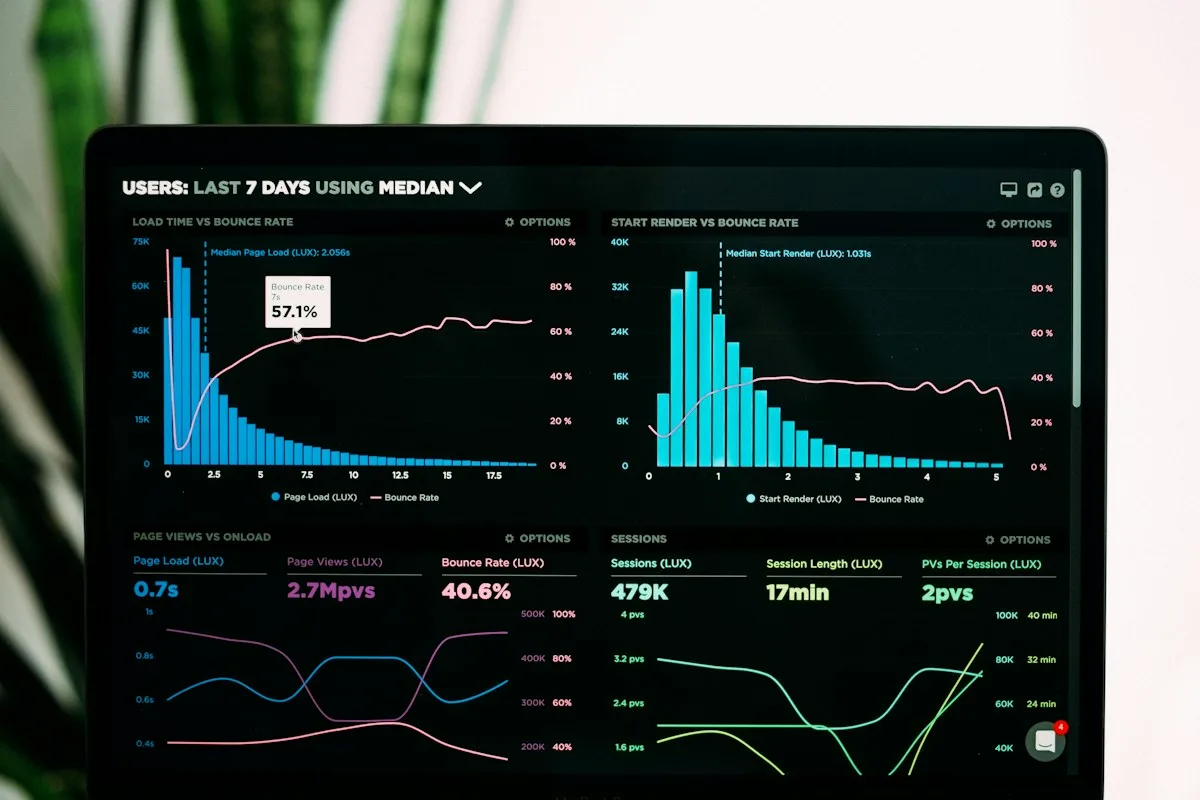
How to read a trend chart without mistaking attention for demand
Check source, baseline, scope and persistence before acting on a rising topic.
Read this guide RESEARCH PLAYBOOK
Validate a niche before you build the product
Turn a trend into a specific buyer, a repeated problem and an inexpensive experiment.
Read this guide RESEARCH PLAYBOOK
Compare search, Wikipedia, GitHub and Reddit fairly
Understand normalization and independent corroboration before combining evidence.
Read this guide- RESEARCH PLAYBOOK
Find a buyer with a problem that cannot wait
Interview for concrete urgency: a recent incident, a costly workaround and a person who can approve change.
Read this guide - RESEARCH PLAYBOOK
Audit a source before trusting its latest chart
Find delayed observations, changing source definitions and misleading comparisons before acting on a trend.
Read this guide - RESEARCH PLAYBOOK
Design the smallest credible market experiment
A practical framework for a bounded test with an observable result, realistic costs and a stop rule.
Read this guide