

TREND RESEARCH From published sources / US · UK · Canada · Australia
RESEARCH TERRITORY / COMMERCE + UNIT ECONOMICS
Attention becomes a business only after the return label.
Product discovery matters, but returns, fulfillment, margins and repeat behavior determine what lasts. Consumer trends and seller tooling are two distinct markets with different evidence.
See the original sources No made-up rankings
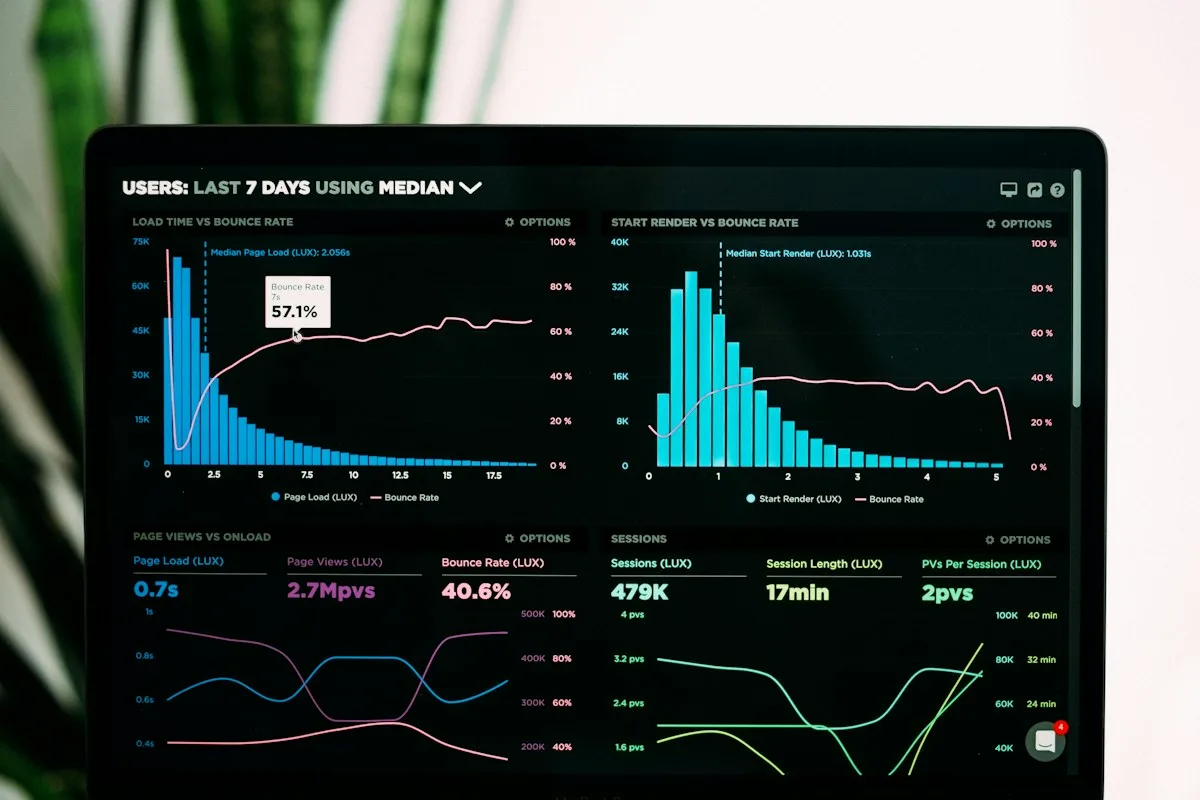
THE RESEARCH LENSContribution margin, not hypeE-Commerce / FIELD NOTES
WHAT MATTERS
Questions that matter in this market.
Use these as a research framework, not a claim that a measured trend proves demand.
Is the buying occasion recurring or seasonal?
Will the same customer buy again?
A PRACTICAL FIELD PLAN
Turn uncertainty into a small, useful experiment.
Test a concrete offer with realistic delivery assumptions. Calculate contribution margin after returns and service costs.
Interpretation limit. A product appearing everywhere on social media does not prove sustainable purchasing demand.
Trace the buying journey
Identify trigger, comparison options, price sensitivity and delivery expectations.
Run a small offer test
Use a real promise and realistic fulfillment costs; keep signups separate from paid orders.
Calculate returns-adjusted margin
Include packaging, support, payment fees and non-deliveries in the contribution margin.
SOURCE STRATEGY
Search and public discussion provide context, while conversion and repeat rates require first-party evidence.
Read source definitionsTHE RESEARCH ANGLE
Measure margin and repeat demand.
A viral product can create a brief spike without a durable business. Inspect fulfillment, returns, acquisition cost and repeat purchasing alongside interest. Seller tools have different buyers from consumer products. Social discussion, shopping intent and completed purchases must not be treated as interchangeable evidence.
A practical first experiment
Test a concrete offer with realistic delivery assumptions. Calculate contribution margin after returns and service costs.
- Is demand seasonal or recurring?
- Can margin cover acquisition and fulfillment?
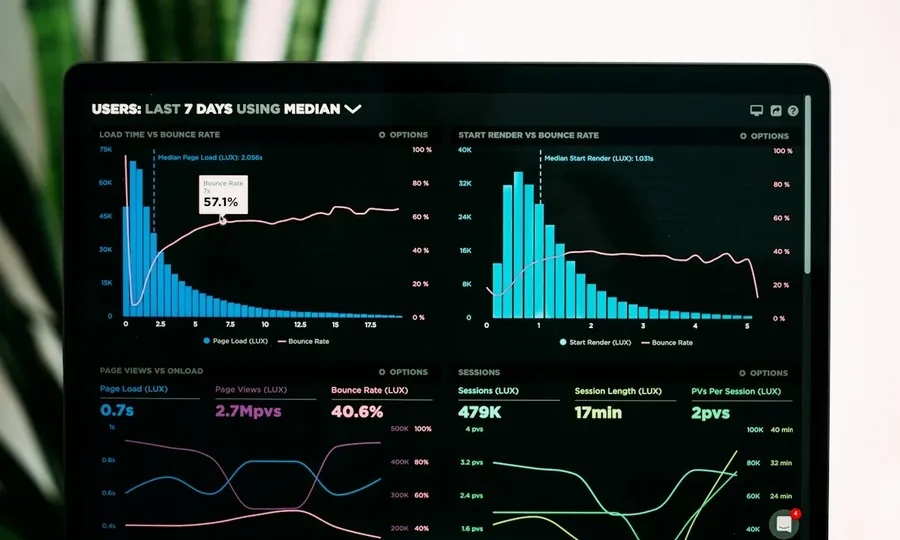
E-Commerce trends
Measured momentum. Useful context. A place to start.

E-CommerceStable
Wikipedia article views: explore dated activity for Online shopping. Useful for asking better questions, not predicting sales.
+12%growth · available history
6M downwardChange within this source (0–100)9/100
Useful forStore ownersRead the research

E-CommerceStable
Wikipedia article views: explore dated activity for Electronic commerce. Useful for asking better questions, not predicting sales.
-35%growth · available history
6M downwardChange within this source (0–100)1/100
Useful forStore ownersRead the research

E-CommercePeaked
Wikipedia article views: explore dated activity for Shopify. Useful for asking better questions, not predicting sales.
-37%growth · available history
6M downwardChange within this source (0–100)0/100
Useful forStore ownersRead the research

E-CommerceStable
Wikipedia article views: explore dated activity for Etsy. Useful for asking better questions, not predicting sales.
-39%growth · available history
6M downwardChange within this source (0–100)0/100
Useful forStore ownersRead the research

E-CommercePeaked
Wikipedia article views: explore dated activity for Amazon (company). Useful for asking better questions, not predicting sales.
-8%growth · available history
6M downwardChange within this source (0–100)0/100
Useful forStore ownersRead the research
E-CommercePeaked
Wikipedia article views: explore dated activity for Dropshipping. Useful for asking better questions, not predicting sales.
-49%growth · available history
6M upwardChange within this source (0–100)0/100
Useful forStore ownersRead the research
E-CommercePeaked
Wikipedia article views: explore dated activity for EBay. Useful for asking better questions, not predicting sales.
-21%growth · available history
6M steadyChange within this source (0–100)0/100
Useful forStore ownersRead the research

E-CommercePeaked
Wikipedia article views: explore dated activity for Digital marketing. Useful for asking better questions, not predicting sales.
-55%growth · available history
6M upwardChange within this source (0–100)0/100
Useful forStore ownersRead the research

E-CommerceStable
Wikipedia article views: explore dated activity for Temu. Useful for asking better questions, not predicting sales.
-53%growth · available history
6M downwardChange within this source (0–100)0/100
Useful forStore ownersRead the research
| # | Trend / category | Sources | Momentum | Growth | 6M outlook | History | Compare |
|---|---|---|---|---|---|---|---|
| 1 | Online shoppingE-Commerce · Global | Stable | +12% | Downward | |||
| 2 | Electronic commerceE-Commerce · Global | Stable | -35% | Downward | |||
| 3 | ShopifyE-Commerce · Global | Peaked | -37% | Downward | |||
| 4 | EtsyE-Commerce · Global | Stable | -39% | Downward | |||
| 5 | Amazon (company)E-Commerce · Global | Peaked | -8% | Downward | |||
| 6 | DropshippingE-Commerce · Global | Peaked | -49% | Upward | |||
| 7 | EBayE-Commerce · Global | Peaked | -21% | Steady | |||
| 8 | Digital marketingE-Commerce · Global | Peaked | -55% | Upward | |||
| 9 | TemuE-Commerce · Global | Stable | -53% | Downward |
LOOK BEYOND THE GROWTH BADGEA signal is the beginning.
A signal is the beginning.
Context makes it useful.
Search interest, pageviews and community activity measure different things. We keep the sources separate, show the available history, and distinguish projections from observations.
Read our methodologyFIELD NOTE / E-COMMERCE
What the index cannot establish.
A viral product can create a brief spike without a durable business. Inspect fulfillment, returns, acquisition cost and repeat purchasing alongside interest. Seller tools have different buyers from consumer products. Social discussion, shopping intent and completed purchases must not be treated as interchangeable evidence.
Questions to take into a real interview
- Is demand seasonal or recurring?
- Can margin cover acquisition and fulfillment?
GET SMARTER WITH EVERY STEP
All research guidesField notes for curious minds.
Practical guides to help turn what you observe into a decision.
- RESEARCH PLAYBOOK
How to read a trend chart without mistaking attention for demand
Check source, baseline, scope and persistence before acting on a rising topic.
Read this guide  RESEARCH PLAYBOOK
Validate a niche before you build the product
Turn a trend into a specific buyer, a repeated problem and an inexpensive experiment.
Read this guide RESEARCH PLAYBOOK
Compare search, Wikipedia, GitHub and Reddit fairly
Understand normalization and independent corroboration before combining evidence.
Read this guide- RESEARCH PLAYBOOK
Find a buyer with a problem that cannot wait
Interview for concrete urgency: a recent incident, a costly workaround and a person who can approve change.
Read this guide - RESEARCH PLAYBOOK
Audit a source before trusting its latest chart
Find delayed observations, changing source definitions and misleading comparisons before acting on a trend.
Read this guide - RESEARCH PLAYBOOK
Design the smallest credible market experiment
A practical framework for a bounded test with an observable result, realistic costs and a stop rule.
Read this guide