

TREND RESEARCH From published sources / US · UK · Canada · Australia
RESEARCH TERRITORY / CULTURE + TIMING
Know when a cultural moment ends.
Entertainment demand often clusters around releases, tours and public conversation. Timeliness and copyright constraints matter as much as the signal itself. Build for the audience that remains after the headline.
See the original sources No made-up rankings

THE RESEARCH LENSShelf life of attentionPop Culture / FIELD NOTES
WHAT MATTERS
Questions that matter in this market.
Use these as a research framework, not a claim that a measured trend proves demand.
How quickly will attention decay?
Which original experience remains useful afterwards?
A PRACTICAL FIELD PLAN
Turn uncertainty into a small, useful experiment.
Test an information service for a defined audience and measure repeat visits after the event.
Interpretation limit. A one-week spike should not be extrapolated into sustained evergreen demand.
Build an event timeline
Track announced releases, tours or moments that coincide with attention.
Check audience and rights
Distinguish editorial commentary from copyrighted merchandise or unauthorized usage.
Design the follow-through
Test whether users come back after the peak for a distinct ongoing service.
SOURCE STRATEGY
Wikipedia readership and search interest reflect different actions; neither verifies ticket sales or royalty revenue.
Read source definitionsTHE RESEARCH ANGLE
Distinguish a moment from sustained interest.
Cultural topics can surge around releases and events. That can inform timely research but does not imply durable demand. Check the peak and latest sample. Consider audience fit, rights and the short shelf life of an opportunity.
A practical first experiment
Test an information service for a defined audience and measure repeat visits after the event.
- How long is the demand window?
- What remains useful after the news cycle?
Pop Culture trends
Measured momentum. Useful context. A place to start.

Pop CultureStable
Wikipedia article views: explore dated activity for Taylor Swift. Useful for asking better questions, not predicting sales.
-35%growth · available history
6M downwardChange within this source (0–100)1/100
Useful forPublishersRead the research
Pop CultureStable
Wikipedia article views: explore dated activity for Video game. Useful for asking better questions, not predicting sales.
-10%growth · available history
6M upwardChange within this source (0–100)0/100
Useful forPublishersRead the research
| # | Trend / category | Sources | Momentum | Growth | 6M outlook | History | Compare |
|---|---|---|---|---|---|---|---|
| 1 | Taylor SwiftPop Culture · Global | Stable | -35% | Downward | |||
| 2 | Video gamePop Culture · Global | Stable | -10% | Upward |
LOOK BEYOND THE GROWTH BADGEA signal is the beginning.
A signal is the beginning.
Context makes it useful.
Search interest, pageviews and community activity measure different things. We keep the sources separate, show the available history, and distinguish projections from observations.
Read our methodologyFIELD NOTE / POP CULTURE
What the index cannot establish.
Cultural topics can surge around releases and events. That can inform timely research but does not imply durable demand. Check the peak and latest sample. Consider audience fit, rights and the short shelf life of an opportunity.
Questions to take into a real interview
- How long is the demand window?
- What remains useful after the news cycle?
GET SMARTER WITH EVERY STEP
All research guidesField notes for curious minds.
Practical guides to help turn what you observe into a decision.
 RESEARCH PLAYBOOK
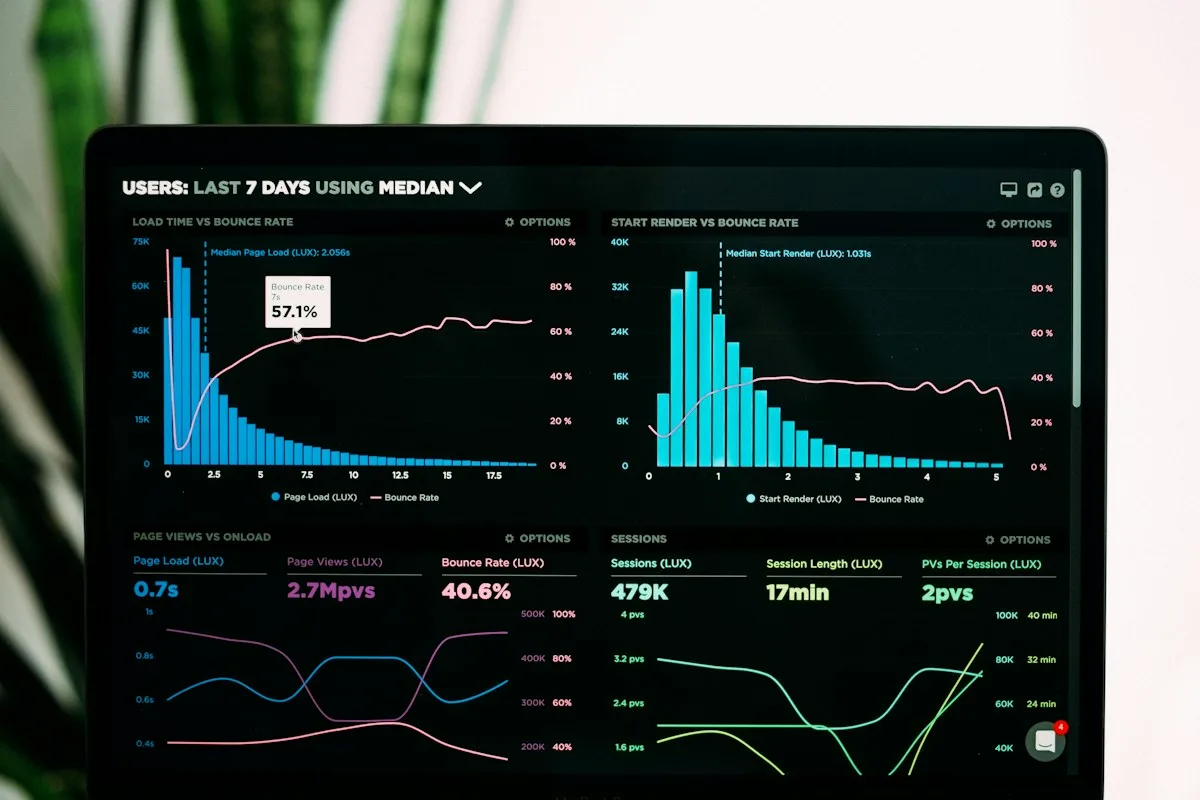
How to read a trend chart without mistaking attention for demand
Check source, baseline, scope and persistence before acting on a rising topic.
Read this guide- RESEARCH PLAYBOOK
Validate a niche before you build the product
Turn a trend into a specific buyer, a repeated problem and an inexpensive experiment.
Read this guide  RESEARCH PLAYBOOK
Compare search, Wikipedia, GitHub and Reddit fairly
Understand normalization and independent corroboration before combining evidence.
Read this guide- RESEARCH PLAYBOOK
Find a buyer with a problem that cannot wait
Interview for concrete urgency: a recent incident, a costly workaround and a person who can approve change.
Read this guide - RESEARCH PLAYBOOK
Audit a source before trusting its latest chart
Find delayed observations, changing source definitions and misleading comparisons before acting on a trend.
Read this guide - RESEARCH PLAYBOOK
Design the smallest credible market experiment
A practical framework for a bounded test with an observable result, realistic costs and a stop rule.
Read this guide